PrecisionBiodiversity
Understanding nature through data, science and technology.
PBD is a national digitalisation and IoT initiative. It brings biodiversity records, AI, field apps and environmental sensors together, so the people caring for Malaysia's forests can work from the same reliable picture.
- Integrated biodiversity data
- AI species identification
- IoT environmental monitoring
- Digital forest inventory
- Ecological simulation
- Shared biodiversity management
Pilot site
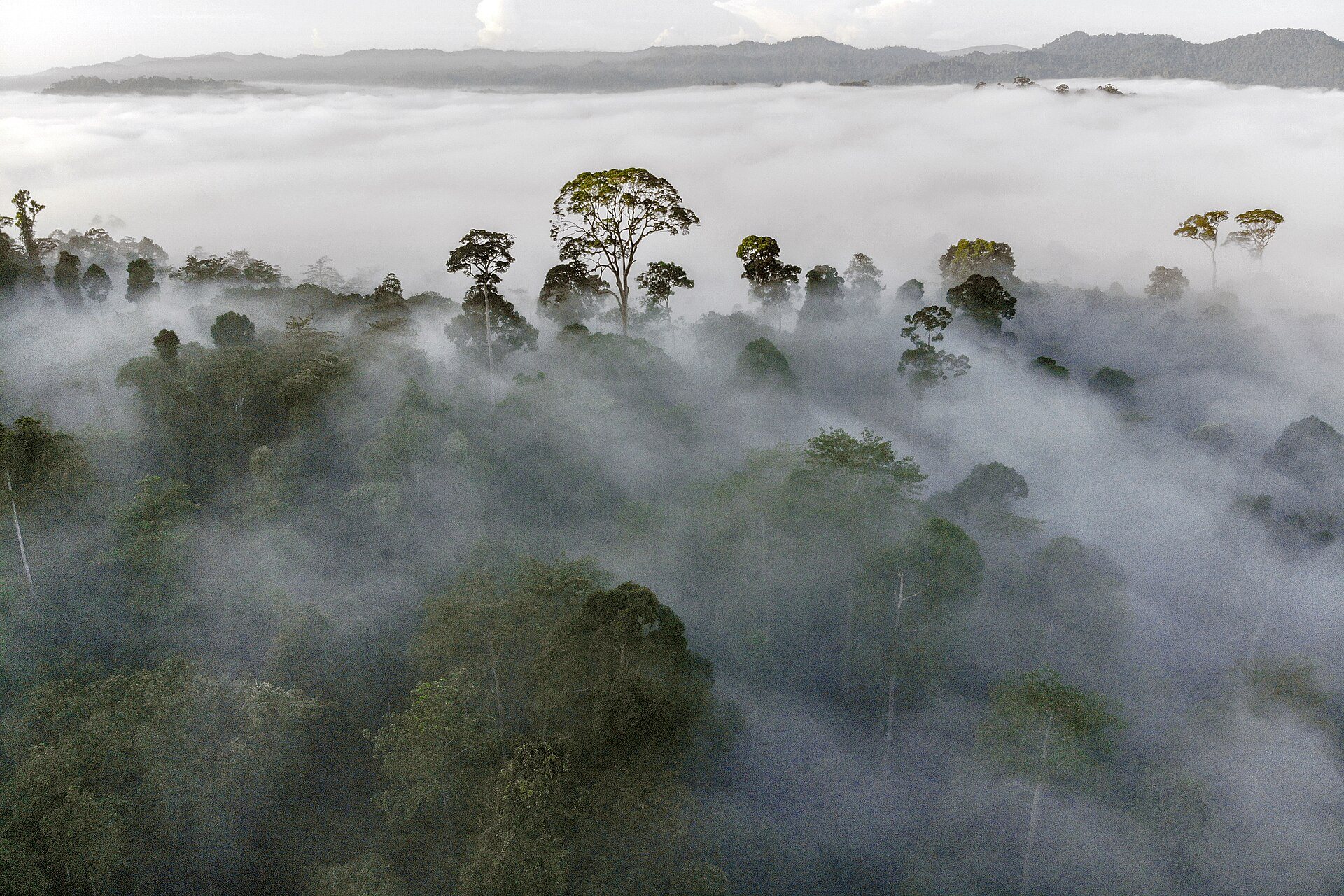
FRIM Pasoh Forest Reserve, Negeri Sembilan
What is Precision Biodiversity?
Precision Biodiversity is a way of managing ecosystems that pairs field science with digital tools. Instead of scattered spreadsheets and one-off surveys, data from camera traps, specimen collections, sensors and field apps flows into one system where it can be checked, compared and acted on.
Every part of the system is tested in real forest conditions on our pilot plot before it is rolled out more widely.
Why PBD
Pilot site
50-hectare research plot
FRIM Pasoh Forest Reserve, Negeri Sembilan
Project allocation
RM7 million
Funded under the 12th Malaysia Plan
Project lead
Akademi Sains Malaysia
Working with UTM, UPM and FRIM
Seven connected tools, one shared picture of nature
Each application handles one part of the job, from the forest floor to the data lake. Together they let Malaysia digitise, monitor and understand its biodiversity.
Wildlife
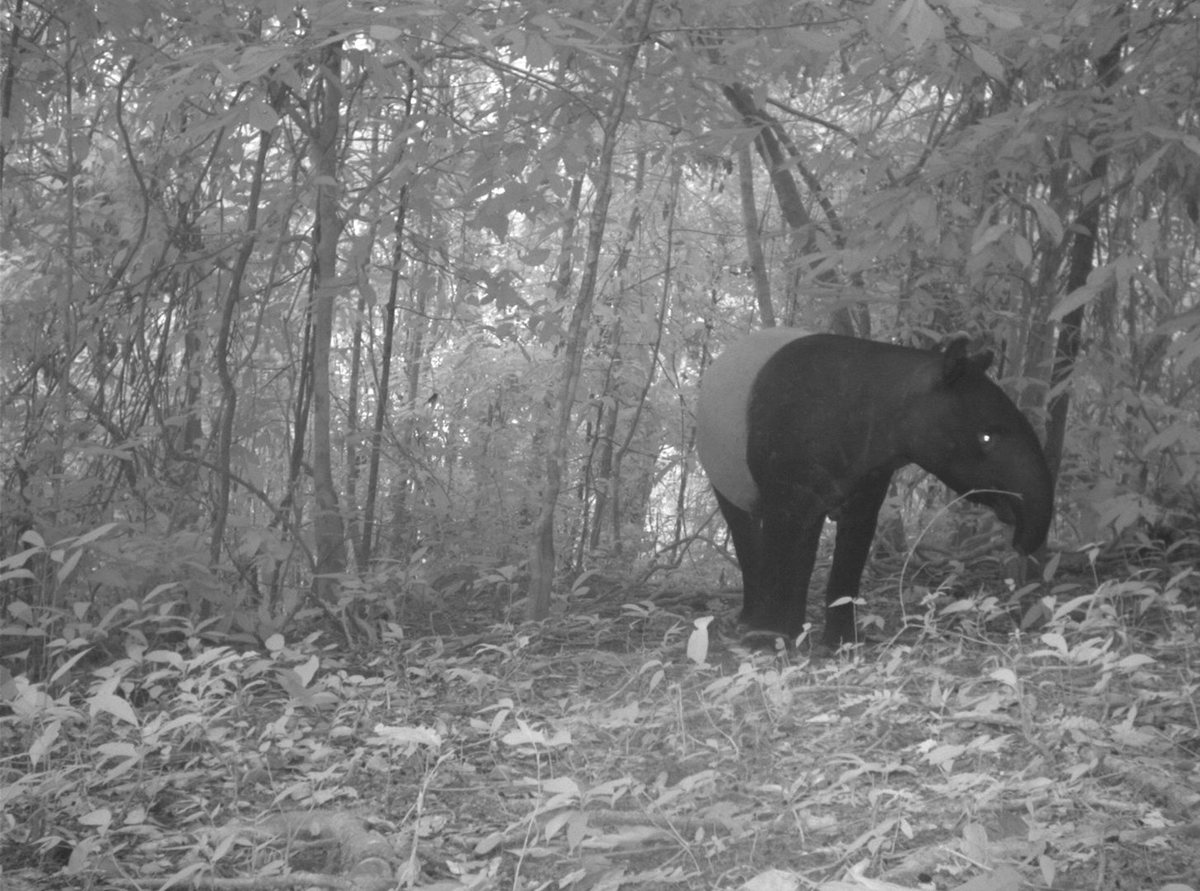
Camera Trap AI
Upload camera trap images and let the model sort them by species, so field teams spend time on animals instead of empty frames.
Open application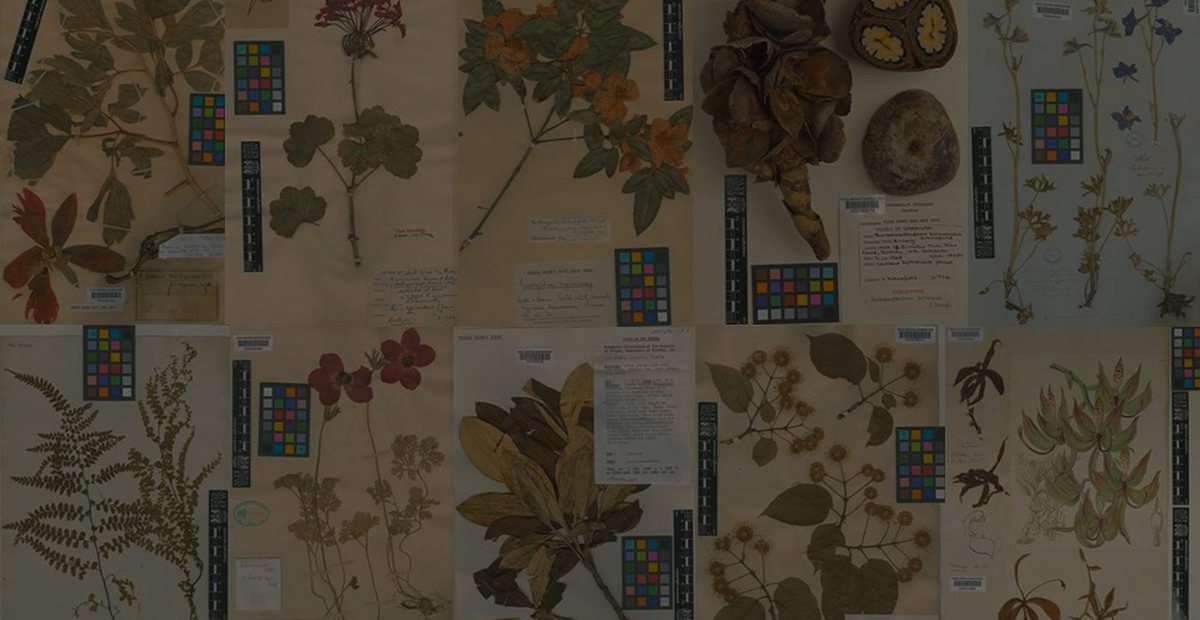
Plants
Digital Herbarium
Turn pressed plant specimens into searchable digital records, with images, labels and collection data kept together.
Open application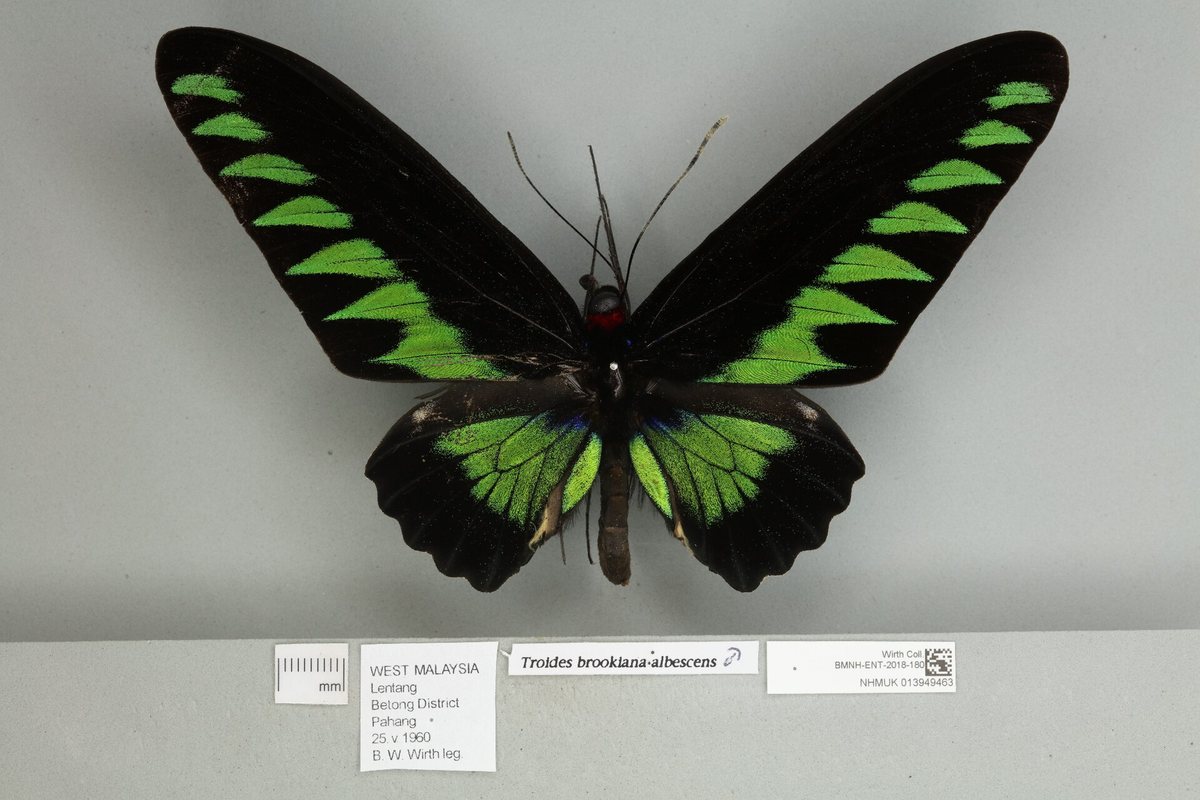
Insects
Digital Insectarium
Catalogue insect specimens from registration to archive, with taxonomy codes, approvals and a full audit trail.
Open application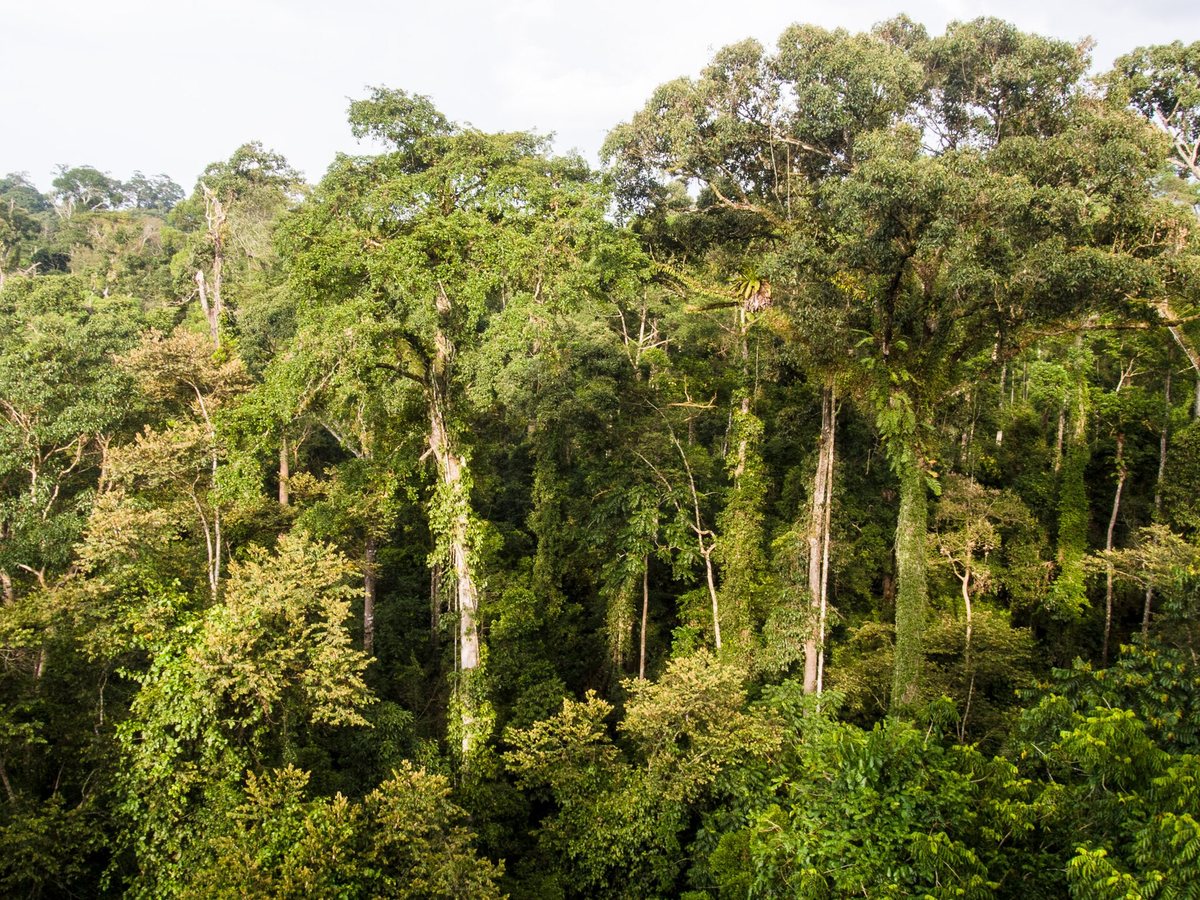
Environment
IoT Monitoring
Sensors across the plot report temperature, humidity and soil conditions around the clock, so changes show up as they happen.
Open application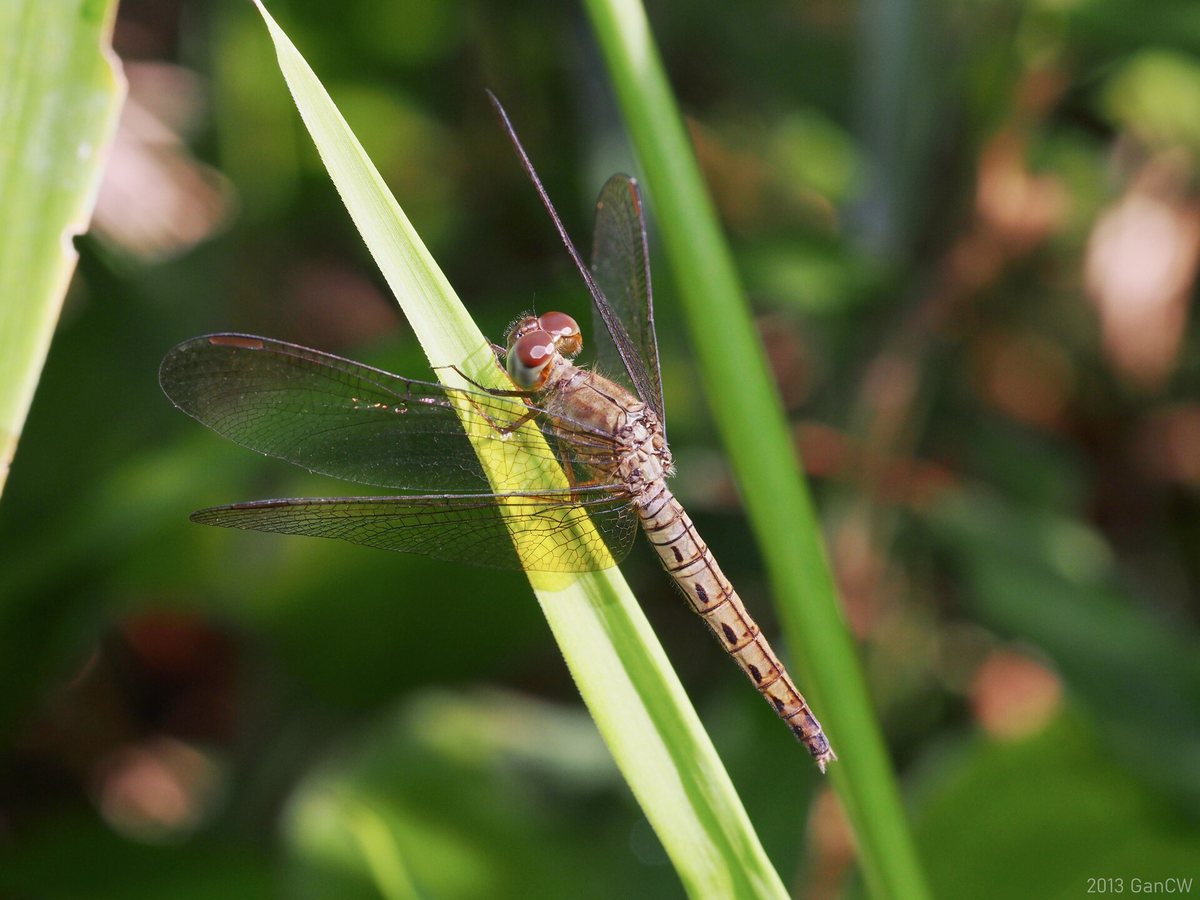
Citizen science
BugQuest
A mobile app that lets anyone photograph insects in the wild and add their sightings to the national record.
Open application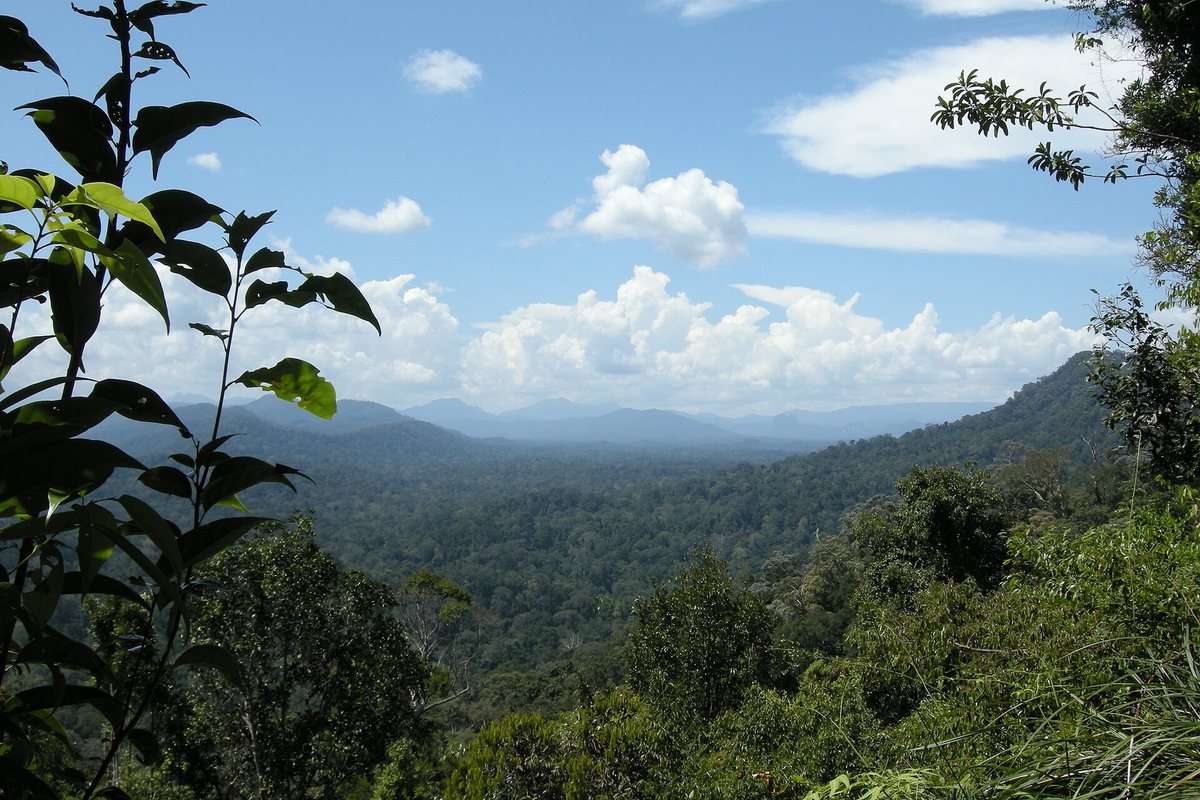
Modelling
Ecological Simulator
Run what-if scenarios on forest and species data before decisions are made on the ground.
Open application
Data lake
BioDHub
The shared data lake behind PBD. Every dataset lives in one place, and every API is documented in Swagger for partners to build on.
Open application
From field observations to biodiversity intelligence
How PBD works, from the forest floor to the decision table.
- 01
Data collection
Camera traps, specimen scans, mobile apps, field inventories and IoT sensors capture what is happening in the forest.
- 02
Digitisation & curation
Records are cleaned, standardised and checked so they stay consistent from one team to the next.
- 03
AI species identification
Trained models help classify flora, fauna and insects, and experts confirm the results.
- 04
Integration & analysis
Sources come together in BioDHub for analysis and clear visual dashboards.
- 05
Simulation & decisions
Ecological trends and future scenarios are modelled to back decisions with evidence.
One alliance. Shared knowledge. A common mission.
Sixteen organisations from government, research, forestry and conservation work side by side to build, test and adopt digital biodiversity systems in Malaysia.

ASM
Akademi Sains Malaysia

KE
Ministry of Economy
MOSTI
Ministry of Science, Technology and Innovation
NRES
Ministry of Natural Resources and Environmental Sustainability

JDN
National Digital Department

JPSM
Forestry Department of Peninsular Malaysia

JPNS
Negeri Sembilan Forestry Department

FDS
Sarawak Forest Department

PERHILITAN
Department of Wildlife and National Parks

MPOB
Malaysian Palm Oil Board

MTIB
Malaysian Timber Industry Board
FRIM
Forest Research Institute Malaysia

IMR
Institute for Medical Research

MARDI
Malaysian Agricultural Research and Development Institute

CIS UKM
Centre for Insect Systematics, Universiti Kebangsaan Malaysia

SaBC
Sabah Biodiversity Centre
Project leadership
Project lead
Akademi Sains Malaysia
Overall coordination, strategic direction and stakeholder engagement.
Research & technical partners

Universiti Teknologi Malaysia
Digital systems, data integration and technology development.

Universiti Putra Malaysia
Ecological modelling and simulation.
Forest Research Institute Malaysia
Forestry expertise, the research site, field data and scientific validation.
PBD Task Force
Co-chaired by Emeritus Professor Dr. Wickneswari Ratnam FASc and Dr. Wan Mohd Shukri Wan Ahmad (FRIM).
PBD Alliance
Chaired by Dr. Helen Nair FASc.
Building national biodiversity intelligence
PBD is the pilot foundation for managing Malaysia's biodiversity digitally, at national scale.
Project allocation
Under the 12th Malaysia Plan
Pilot research plot
FRIM Pasoh Forest Reserve
Operators trained
Across three training series
Alliance members
Government, research and conservation
What we are working towards
- Make national biodiversity data easier to find and use
- Improve how flora and fauna are documented and identified
- Monitor ecosystems with IoT data
- Support forest inventory and ecological analysis
- Grow local expertise in biodiversity digitalisation and AI
- Encourage agencies to share data and know-how
Towards a national biodiversity intelligence ecosystem
- 1
PilotNow
Prove the system on a 50-hectare plot at Pasoh.
- 2
National adoption
Extend it to agencies and sites across Malaysia.
- 3
Sovereign biodiversity AI
A Malaysian AI capability for evidence-based conservation.
Everything you need to get started
Guides, documentation and reference material for PBD.
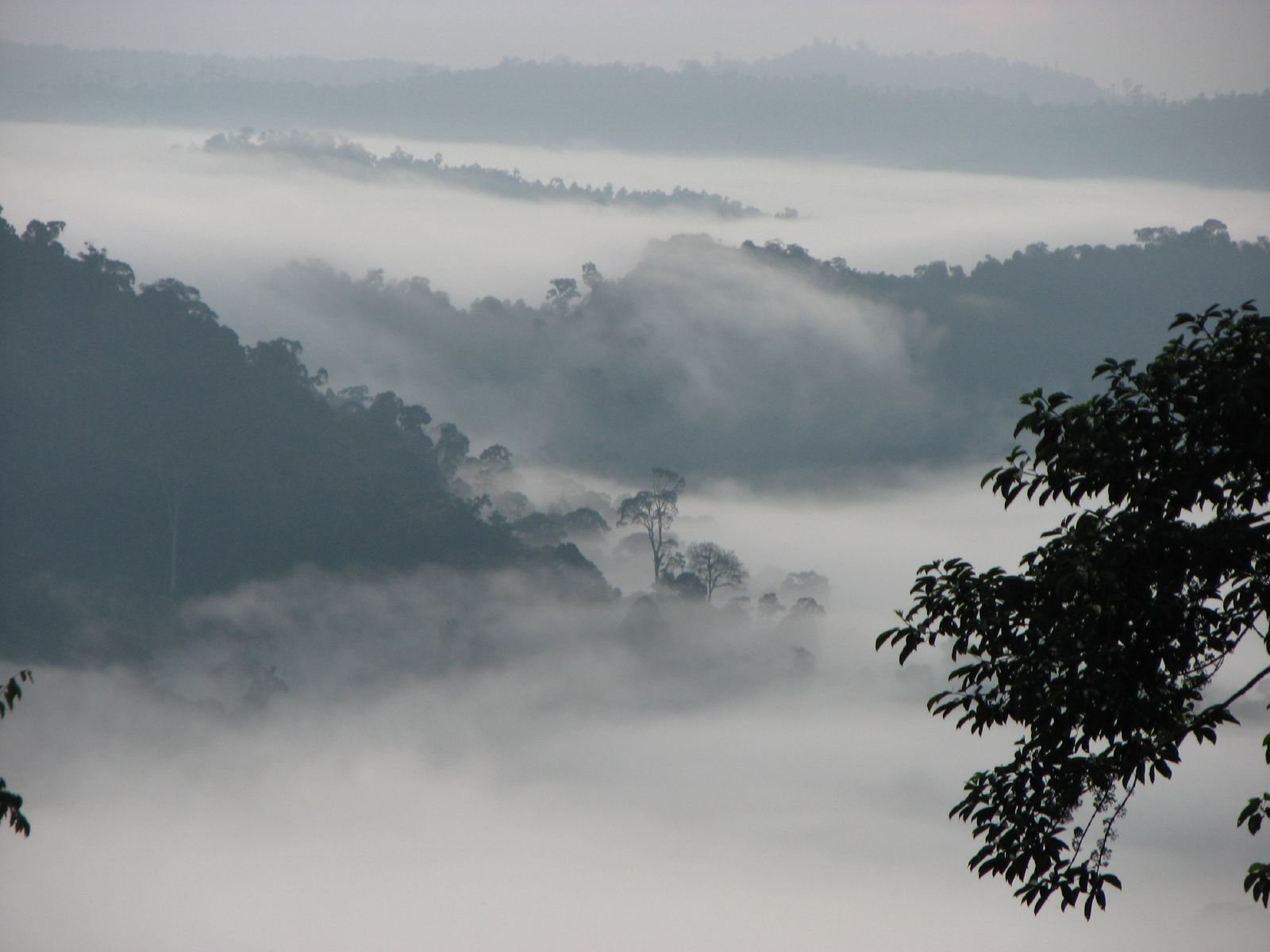
Be part of Malaysia's biodiversity digital future
Conservation needs more than observation. It needs reliable data, people working together and the right tools to turn records into knowledge.